Every Good Design Begins with a Story
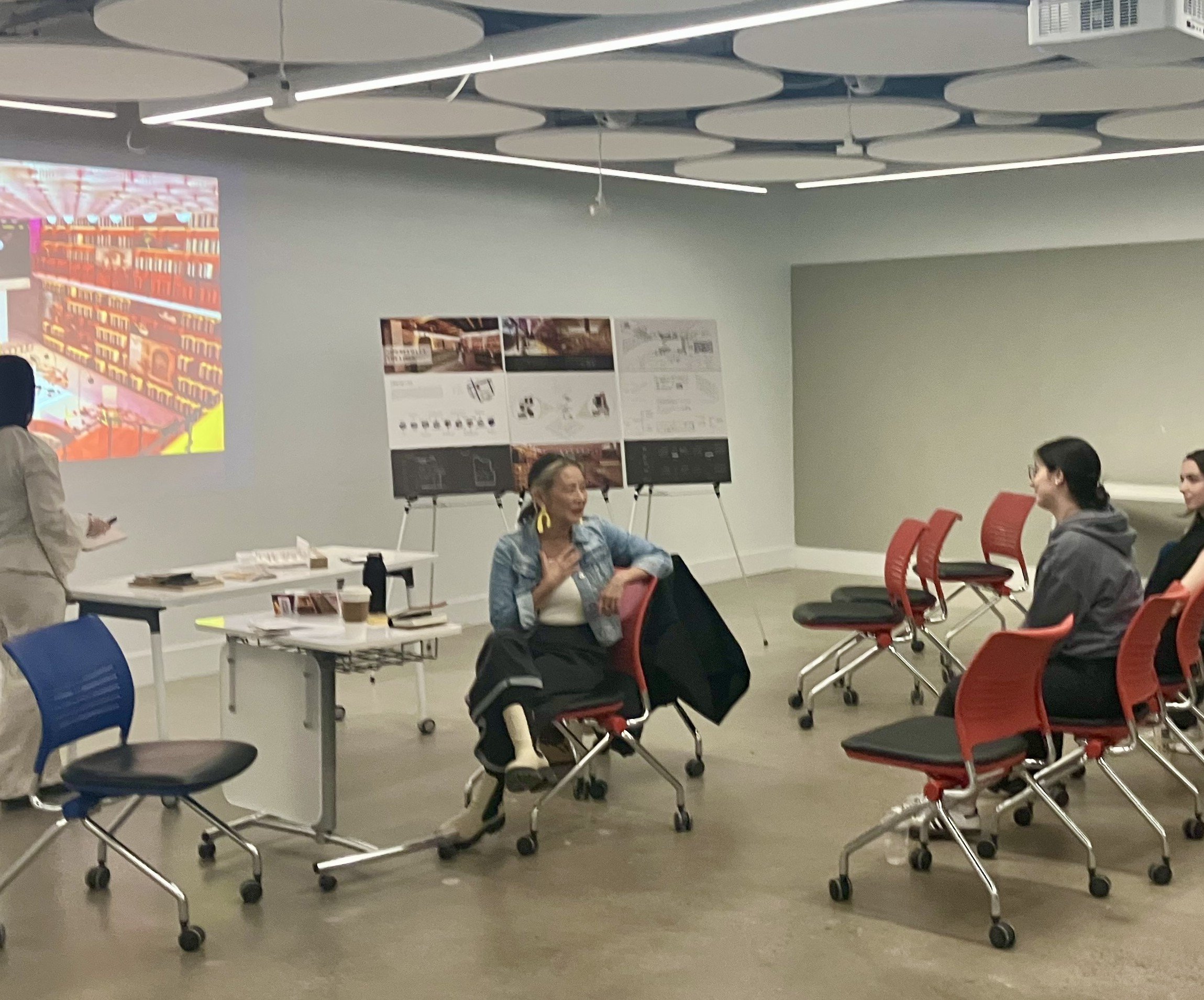
Humber College School of Interior Design - Final Critiques
I learned early in my design life that every project needs a story; not as decoration, but as it’s backbone.
I love getting invited into design schools. It doesn’t matter whether it’s architecture, interior design, or industrial design; if there are students making things, imagining things, wrestling with ideas bigger than themselves, I want to be in the room. There’s something electric about that early stage of a designer’s life, when everything is still possible and nothing has solidified yet.
I’ve been a guest critic in schools for a long time; long before I ever ran an interior architecture office. These days, I’m a regular at the School of Interior Design at Humber College, drifting in and out of various studios, semesters, and levels of caffeine. (Hey TMU & OCAD, I haven’t received an invitation recently, please call)
From what I can tell, I think the students benefit from the feedback. I’ve also been told I’m “hard.” Which makes me laugh, because none of them have ever had a cigarette butt flicked at their drawings; a true story from my own student days that I now consider a character‑building moment.
Running an interior architecture office only deepened what I already knew: storytelling is the backbone of design. Not an accessory, or a post rationalization. The backbone. I’ve always loved a great story. It’s how I make sense of the world, and it’s how I teach; whether I’m mentoring my design staff or sitting across from a student presenting their first concept.
I insisted that every designer in the office introduce their work with a story. Not a script. Not a sales pitch. A narrative thread that pulls the client into the design and made them care.
That insistence earned me the occasional evil eye from those designers. But it also won projects. Stories do that. They hook people emotionally. They make the work memorable. They make the storyteller memorable.
And maybe that’s why I keep saying yes to these invitations. Because every time I walk into a studio, I get to witness the moment a student realizes that their work isn’t just lines on a page; it’s a world they’re building, a world with meaning, and one that someone else might one day step into.
It’s a privilege to be part of that. Even if they think I’m hard.