Sleep Used to Be Easy
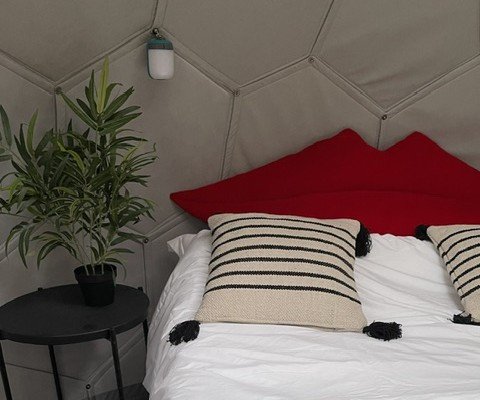
Bed in the dome
My sleep changed after retirement. Here’s what helped me get it back on track.
I’ve never been someone who had problems sleeping. Every once in a while I’d be up because I was chewing on something stressful, but most of the time I could fall asleep easily and stay asleep until morning.
Then I retired.
You’d think that with work stress gone, sleep would be even easier. But apparently not. Retirement didn’t bring the kind of rest I imagined. In fact, it revealed a new pattern I wasn’t prepared for. Science says older adults produce less melatonin, which makes it harder to fall asleep and harder to stay asleep. And it’s not true that older adults need less sleep; many of us simply can’t get the sleep that we need. I didn’t know that at the time, I just knew my sleep had changed.
I didn’t think much of it at first, until the pattern became impossible to ignore. Then I thought, oh no, this is now happening to me! Horror stories about sleep issues from friends and colleagues were just that before, stories. I would listen, sympathize, and be sooo thankful that I did not have those issues. But then it started happening, slowly and annoyingly at first, and then it began to settle in as a nightly pattern.
The routine was pretty consistent: fall asleep normally, wake up around 3:00 a.m., stay awake for an hour to ninety minutes, then try to get back to sleep until about 6:30 a.m., when I’d finally get up for morning yoga. It wasn’t dramatic, just irritating. And new.
It didn’t just affect my nights. I started noticing it in my days too. I noticed it in my mood for the day. Perhaps it was psychological, knowing I didn’t get a good night’s sleep and feeling tired because of it. Or perhaps it was physical. What I did know was that there was an effect from this disruptive sleep on the next day.
Eventually, annoyance won out, and I decided to try a few things. I looked into all those tips on sleep hygiene and ignored many of them. But as this sleep deprivation became more annoying, I decided to experiment with some of the recommendations. One was to stretch, yin yoga, about an hour or two before going to bed. This didn’t seem to make a big difference, but honestly, maybe I didn’t try it enough times.
But the thing that actually made a difference surprised me. Something I noticed recently was that I seemed to get better sleep when it was cooler in the room. When I looked it up, I learned that your body temperature increases until about 10:30 p.m., then starts to drop to trigger sleep. So for me, sleeping with just a top sheet rather than a thick duvet has helped me stay asleep, or get back to sleep more quickly. I’ll be continuing with strategies to make sure I sleep in a cool room or avoid raising my core body temperature in ways that make me wake up.
The bonus of all this was something I could actually see. I didn’t expect sleep to be a beauty strategy, but here we are. Cooler nights, fewer wakeups, and a face that looks more rested. I’ll keep doing whatever helps.